

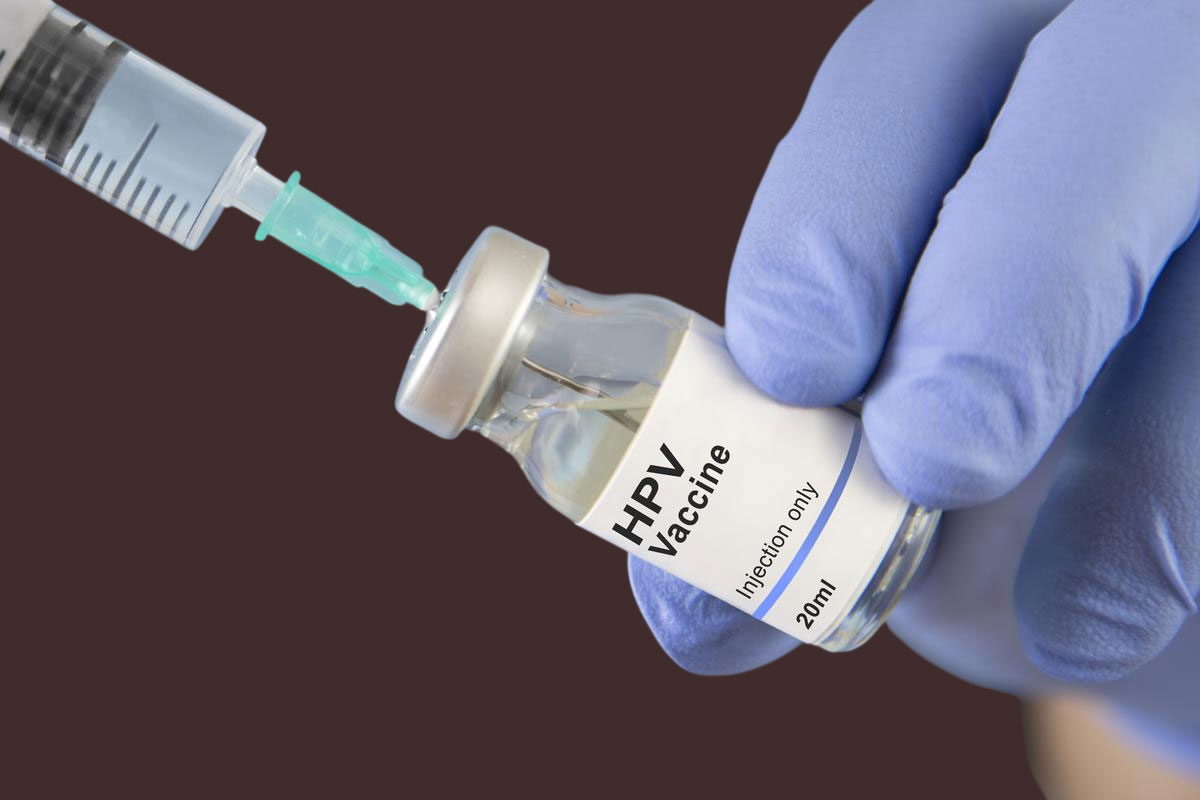
HPV Vaccination – Frequently Asked Questions (FAQs)
1. How effective is the HPV vaccine in preventing cancer?
Clinical studies and international follow-up data indicate that:
- The vaccine offers nearly 100% protection against cervical cancer resulting from HPV types included in its formulation, particularly when administered prior to exposure to the virus.
- There is a marked decrease in genital warts among both males and females.
- The vaccine provides robust protection against anal cancer, various other cancers linked to HPV, and sexually transmitted infections (STIs).
Countries such as Australia, Denmark, and Sweden have demonstrated high vaccination rates and reported significant reductions in HPV infections, genital warts, and cases of cervical cancer related to HPV.
2. What is HPV?
HPV, or Human Papilloma Virus, is a widespread virus primarily transmitted through intimate skin-to-skin contact. There are over 200 different types of HPV; The sexually transmitted HPVs are classified as low-risk and can cause genital warts while others are high-risk and can lead to various cancers including: Cervical cancer, Anal cancer, Penile cancer, Oropharyngeal (throat) cancer, Vaginal and Vulvar cancers.
Most low-risk type infections resolve spontaneously; however, persistent infections with high-risk types may eventually progress to cancer.
3. What does the HPV vaccine protect against?
The HPV vaccine protects against diseases associated with the HPV virus.
It is currently the only available vaccine for cancer prevention. It guards against the most prevalent high-risk HPV types that contribute to cancers as well as those responsible for genital warts.
The globally used vaccine Gardasil 9 protects against:
- Seven high-risk oncogenic types (HPV Types 16, 18, 31, 33, 45, 52, and 58) – linked to cancer
- Two low-risk types (HPV Types 6 and 11) – responsible to approximately 90% of genital warts.
Research indicates that this vaccination effectively prevents most HPV-related cancers when administered before any exposure to the virus.
4. Who should receive the HPV vaccine?
Vaccination is advised for:
- Girls and boys aged between 9–14 years (the optimal age range),,
- Adolescents and young adults up to age 26,
- Adults aged between 27–45 years.
Administering the vaccine before sexual activity begins offers optimal protection.
5. Why is vaccination recommended at ages 9–14?
At this age, the individual exhibits a strong immune response.
Moreover, administering the vaccine prior to exposure to HPV enhances its effectiveness.
Evidence suggests that two doses within this age group provide excellent long-term immunity.
6. How does HPV spread?
HPV transmission primarily occurs via direct skin-to-skin contact surrounding the genital region without requiring penetration for infection.
- Vaginal Intercourse: Skin contact during vaginal sex represents one of the chief modes of transmission.
- Anal Intercourse: Infection can occur in the anal area and has strong correlations with anal cancers.
- Oral Sex: Oral-genital interactions can facilitate spread to the throat (oropharynx), potentially leading to oropharyngeal malignancies.
- Skin-to-Skin Contact Without Penetration: Close proximity of genitals can transmit HPV even without intercourse; microscopic abrasions allow viral entry.
- Same-Sex Sexual Contact: Transmission risks exist for both heterosexual and homosexual encounters; women who engage with women and men who engage with men are also susceptible.
- Multiple Sexual Partners: The likelihood of infection increases with a greater number of lifetime partners; however, exposure can occur even with just one partner if they have been previously infected.
- Mother-to-Baby Transmission (Rare): In rare instances during vaginal delivery, there may be transmission leading to respiratory papillomatosis in newborns.
7. How many doses are required?
- For those aged 9–14 years: Two doses (the first dose followed by another after six months).
- For individuals aged 15 years or older: Three doses (initial dose followed by doses at two months and six months post-first dose).
- Individuals with compromised immune systems may require three doses regardless of their age.
8. Is the HPV vaccine safe?
Yes,
Extensive studies involving millions globally affirm that the HPV vaccine is safe. Prominent health organizations such as: – World Health Organization, Centers for Disease Control and Prevention confirm its safety profile along with its effectiveness.
Common side effects include:
Pain or swelling at injection site,
Mild fever
Headache
Fatigue
Severe side effects are exceedingly rare.
9. Can receiving the HPV vaccine lead to infertility?
No credible scientific evidence supports any connection between the HPV vaccine and fertility issues.
10. Should sexually active individuals still get vaccinated?
Yes!
Even if an individual has been exposed to one strain of HPV, vaccination remains protective against other strains included in it.
However, benefits are maximized when given prior to exposure.
11. Do vaccinated women still need Pap Smears or Cervical
Screenings?
Yes!
Regular cervical screening, including Pap smears and testing for HPV DNA, are essential according to medical guidelines.
Combining vaccination with screening provides comprehensive protection against cervical cancer risks.