

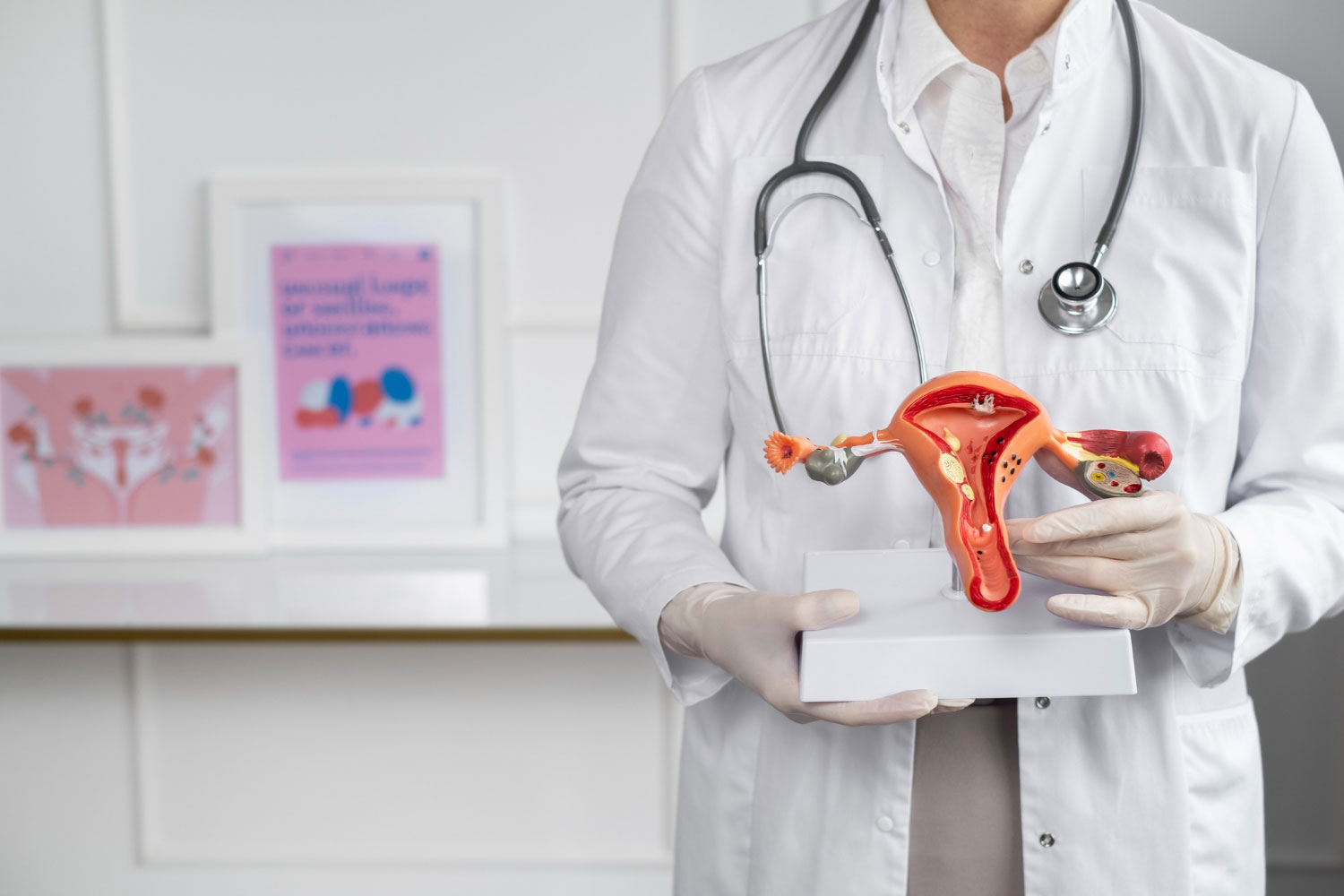
PCOS: Complete Guide to Symptoms, Causes, Diagnosis and Treatment
Quick Summary
Polycystic Ovary Syndrome (PCOS) is a hormonal disorder affecting women of reproductive age, characterised by irregular menstrual cycles, excess androgen (male hormones), and metabolic disturbances. Common symptoms include irregular periods, acne, excess facial hair, weight gain, and difficulty conceiving. Management includes lifestyle modification, diet optimisation, hormonal therapy, insulin-sensitising medications, and long-term metabolic monitoring.
Early diagnosis and personalised treatment significantly improve hormonal balance and reproductive health.
What is PCOS?
Polycystic Ovary Syndrome (PCOS) is one of the most common hormonal disorders affecting women worldwide. It affects approximately 1 in 10 women of reproductive age and often begins during adolescence.
PCOS affects multiple systems in the body, including:
- Reproductive hormones
- Metabolism
- Skin and hair
- Psychological health
In PCOS, hormonal imbalance disrupts normal ovulation, causing irregular periods and increased androgen production.
Despite its name, not all women with PCOS have ovarian cysts. The condition is primarily a hormonal and metabolic disorder.
Why PCOS is Increasing Today?
Doctors worldwide have noticed a significant rise in PCOS cases, particularly among young women and teenagers.
Several modern lifestyle factors contribute to this increase:
- Sedentary lifestyle
- High sugar and processed food intake
- Increased screen time
- Poor sleep patterns
- Chronic stress
- Obesity and insulin resistance
Urban populations, including cities like Gurgaon, show a higher prevalence of PCOS due to these lifestyle patterns.
What are the symptoms of PCOS?
PCOS symptoms can vary widely between individuals. Some women experience mild symptoms while others may have multiple manifestations.
Menstrual Symptoms
- Irregular menstrual cycles
- Delayed periods
- Heavy menstrual bleeding
- Absence of periods
- Irregular ovulation is one of the earliest signs of PCOS.
Skin and Hair Symptoms
Excess androgen hormones cause several skin and hair changes.
Common symptoms include:
- Severe acne
- Excess facial hair
- Increased body hair growth
- Hair thinning on scalp
These symptoms occur due to increased androgen activity.
Metabolic Symptoms
PCOS is closely associated with metabolic disturbances.
Common metabolic signs include:
- Weight gain
- Difficulty losing weight
- Insulin resistance
- Dark patches on neck or underarms (acanthosis nigricans)
Reproductive Symptoms
Some women discover PCOS when they try to conceive.
Possible reproductive symptoms include:
- Difficulty ovulating
- Irregular ovulation
- Subfertility
However, many women with PCOS can conceive successfully with proper treatment.
What are the causes of PCOS?
The exact cause of PCOS is not completely understood. Research suggests that multiple factors including genetics and environmental contribute to the condition.
Insulin Resistance
Insulin resistance is one of the most important underlying mechanisms in PCOS.
When cells become resistant to insulin, the body produces more insulin to compensate.
High insulin levels stimulate the ovaries to produce excess androgen hormones, disrupting ovulation.
Genetic Factors
PCOS often runs in families.
Women with a family history of the following conditions may have higher risk:
- PCOS
- Type 2 diabetes
- Obesity
- Metabolic syndrome
Hormonal Imbalance
Several hormonal disturbances occur in PCOS, including:
- Increased androgen levels
- Altered LH/FSH ratio
- Impaired ovulation
These hormonal changes disrupt the menstrual cycle.
How PCOS is Diagnosed?
Diagnosis of PCOS involves clinical evaluation, laboratory tests, and imaging.
Doctors commonly use the Rotterdam Criteria, which require two out of three features:
- Irregular ovulation
- Clinical or biochemical hyperandrogenism
- Polycystic ovarian morphology on ultrasound
Other conditions that mimic PCOS must be excluded before confirming diagnosis.
What are the tests recommended for PCOS Evaluation?
A comprehensive PCOS evaluation may include:
Hormonal Tests
- LH and FSH
- Testosterone
- DHEAS
- Prolactin
- Thyroid profile
Metabolic Tests
- Fasting insulin
- Blood sugar
- Lipid profile
Imaging
- Pelvic ultrasound
These tests help assess both reproductive and metabolic health.
What are long-term health risks of PCOS?
If untreated, PCOS can increase the risk of several health conditions.
These include:
- Type 2 diabetes
- Metabolic syndrome
- Cardiovascular disease
- Endometrial hyperplasia
- Infertility
- Obesity
- Depression
Early diagnosis and treatment help reverse PCOS to PCOD and reduce long-term risks.
What are the evidence-based treatment for PCOS?
Management of PCOS requires a multidisciplinary approach that addresses hormonal, metabolic, and lifestyle factors.
Lifestyle Modification (Foundation of Treatment)
Lifestyle modification is considered the first-line treatment for PCOS.
Even modest weight loss (5–10%) can improve hormonal balance.
Key lifestyle changes include:
- Balanced diet
- Regular exercise
- Adequate sleep
- Stress reduction
These changes improve insulin sensitivity and hormonal regulation.
PCOS Diet Plan
Diet plays a crucial role in PCOS management. PCOS Diet should be limited to home cooked food only.
Recommended foods include:
- Whole grains
- Fruits and vegetables
- Lean proteins
- Nuts and seeds
- Healthy fats
Foods to limit include:
- Refined carbohydrates
- Sugary beverages
- Processed foods
- Excess fried foods
Low glycemic index diets help control insulin levels.
Exercise for PCOS
Regular exercise improves metabolic and hormonal health.
Recommended activities include:
- Brisk walking
- Strength training
- Yoga
- Swimming
- Cycling
Experts recommend 150–300 minutes of moderate exercise per week.
What are the medical treatment options for PCOS?
When lifestyle interventions alone are insufficient, medical therapy may be recommended.
Hormonal Therapy
Most commonly hormonal treatment include Combined oral contraceptive pills. Benefits of these pills are:
- Regulate menstrual cycles
- Reduce androgen levels
- Improve acne
- Reduce excess hair growth
Insulin Sensitizing Drugs
Metformin is often prescribed in women with insulin resistance.
Benefits include:
- Reduced insulin levels
- Improved ovulation
- Better metabolic health
Ovulation Induction
For women with fertility concern , ovulation induction medications may be used.
Common options include:
- Letrozole
- Clomiphene citrate
These medications help stimulate ovulation.
Lifestyle Routine for Managing PCOS
Daily habits can significantly improve PCOS outcomes.
Morning routine:
- Early wake-up
- Exercise or yoga
- High protein breakfast
Daytime habits:
- Balanced meals every 3–4 hours
- Avoid sugary drinks
- Stay physically active
Night routine:
- Early dinner
- Relaxation
- Sleep before 11 PM
Consistency is essential for long-term results.
PCOS in Teenagers
PCOS often begins during adolescence.
Teenage girls may experience:
- Irregular periods
- Severe acne
- Excess hair growth
- Weight gain
Early lifestyle intervention during teenage years can significantly reduce long-term complications.
What are the psychological impact of PCOS?
PCOS affects emotional well-being in many women.
Common psychological concerns include:
- Body image issues
- Anxiety
- Depression
- Low confidence
Counseling and support can help improve mental health outcomes.
Why Choose Wellstar Clinic for PCOS Care?
Wellstar Clinic provides comprehensive and personalized PCOS management by a team of experts. The PCOS team includes following experts Gynaecologist, Dermatologist, Clinical Nutritionist, Clinical Physiotherapist & weight loss expert and the Psychhologist.
The approach includes:
- Detailed hormonal evaluation
- Ultrasound diagnostics
- Nutrition counseling
- Lifestyle coaching
- Long-term metabolic monitoring
The goal is not only symptom relief but also prevention of long-term complications.
Frequently Asked Questions
- Can PCOS be cured permanently?
PCOS cannot be completely cured but it can be made symptom free with lifestyle modifications and medical treatment.
- Does PCOS always cause infertility?No. Many women with PCOS conceive naturally or with treatment.
- Can lean women develop PCOS?
Yes. Although obesity increases risk, PCOS can also occur in women with normal weight.
- Is an ultrasound necessary for diagnosis?
Ultrasound is helpful in diagnosing PCOD, but not always required. The symptoms and hormonal correlation are important to make a diagnosis of PCOS.
- Can diet alone control PCOS?
Diet and exercise form the foundation of treatment, but some women may also require medications.
- When Should You See a Doctor?
Medical consultation is recommended if you experience:
- Irregular periods
- Severe acne
- Excess facial hair
- Rapid weight gain
- Difficulty conceiving
Early evaluation allows timely management.
Book a PCOS Consultation
If you are struggling with symptoms of PCOS, early diagnosis and personalized comprehensive treatment can help manage symptoms and prevent complications.
Consult PCOS specialists at Wellstar Clinic, Gurgaon.
- Comprehensive hormonal evaluation
- Personalized treatment plans
- Evidence-based PCOS care
- Lifestyle and nutrition guidance
Book your appointment today for expert PCOS care.
Dr Rekha Thakur
Obstetrician & Gynecologist
Founder – Wellstar Clinic and Diagnostics
Gurgaon